Change Language:
Forward ’26: AI + Innovation
June 23, 2026 @ 9:00am – 4:00pm
Woodland High School
Join your education colleagues from across Washington for a full day of future-focused learning! Open to teachers, paraeducators, district and school leaders, and instructional technology staff, this event centers on practical, responsible, and human-centered approaches to artificial intelligence in education.

We will:
Breakout Session Focus:


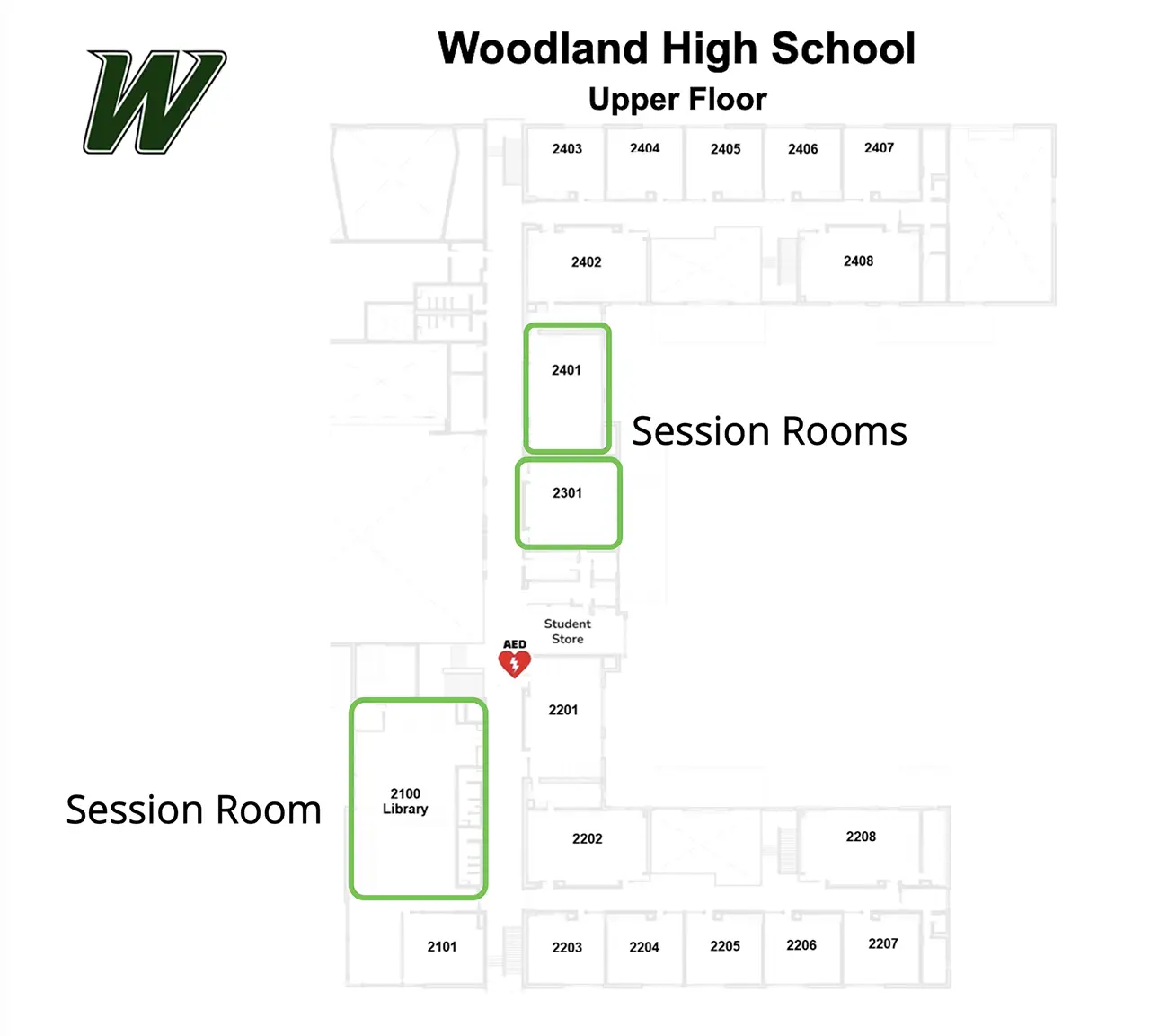
Opening: 9:00am – 9:50am
Session 1: 10:00am – 10:50am
Session 2: 11:00am – 11:50am
Lunch: 12:00 pm – 1:00pm
Courtesy of Renaissance Learning in the Student Commons, Courtyard, Flex Spaces
Session 3: 1:00pm – 1:50pm
Session 4: 2:00pm – 2:50pm
Session 5: 3:00pm – 3:50pm
Conference Speakers
Click to read more about each speaker.
 Todd Brekhus is a visionary education technology leader with more than 25 years of experience advancing teaching and learning through purposeful innovation. As Chief Product Officer at Renaissance, Todd is deeply committed to empowering educators—building tools that deliver actionable insights, simplify classroom workflows, and celebrate student growth.
Todd’s impact on the edtech industry has earned widespread recognition, including the Lamp Lighter Visionary Award and the SIIA CODiE Lifetime Achievement Award. Before joining Renaissance, he co-founded myON, a personalized literacy platform that has helped millions of students discover the joy of reading and is now a core part of the Renaissance portfolio.
An educator for 26 years, Brianna teaches AP Biology and Principles of Technology in a rigorous STEM and research program. She mentors students through year-long research projects while helping them develop critical thinking, collaboration, and ethical decision-making skills. Passionate about helping students think deeply and engage responsibly with emerging technologies, she developed “Beyond the Bot” to help students critically evaluate AI tools, explore ethical concerns, and use AI responsibly in and out of the classroom.
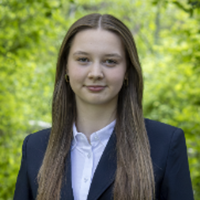 Madilyn Baldwin is a student at Heritage High School in Vancouver, Washington. She serves as the Area 9 President for Washington DECA supporting students across five counties in Southwest Washington, and also serves as Washington DECA’s Vice President of Leadership. Madilyn is passionate about helping students grow as leaders and creating opportunities for them to get involved and make an impact. Outside of DECA, you can find her coaching youth volleyball and reading a good book.
 Jason Cowley is a National Board Certified ELA teacher and the co-author of Future-Ready Teaching with AI. With 20 years of classroom experience, he has also worked as an instructional coach and National Board facilitator. In addition to his work on AI in the classroom, Jason has extensively studied how assessment practices impact student learning. When ChatGPT became popular in early 2022, Jason started using AI in his classroom to conduct action research on using AI to improve writing. Jason has shared his findings at national conferences. Jason lives with his wife and two children in Vancouver, Washington.
 Paige Davenport is a student at Heritage High School and will be entering her junior year this fall. Outside of the classroom she likes spending her time at the soccer field, expanding her knowledge and exploring new opportunities.
 Jay Distant is an upcoming senior at Camas High School and loves to share student voice with adults in the community.
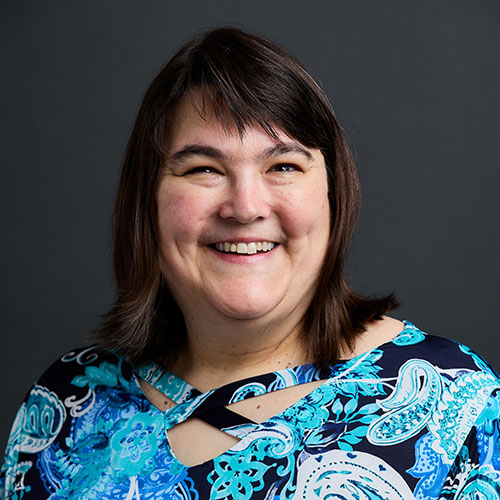 Katie has spent over two decades teaching second through fifth-grade students as well as pre-service teachers. From the classroom to coaching to district-wide professional development, her career has been driven by a simple belief: when teachers are empowered, students thrive. Currently serving as an Instructional Technology TOSA, Katie is passionate about helping educators use technology, including AI, in ways that are meaningful, equitable, and grounded in good teaching. Katie is a Washington State ELA Fellow Emeritus, Apple Learning Coach, Google Coach, Seesaw Certified Educator, and MagicSchool.ai Ambassador. When not working, Katie enjoys traveling, reading and spending time with her dog.
 Marc Elliott is entering into his 13th year as CIO for the Olympia School District and 30th year in K-12 education overall. He currently serves on the board of directors for the Association for Computer Professionals in Education, as the current president.
 Derek Garrison is principal of Heritage High School in Vancouver, Washington, serving roughly 1,500 students. A longtime school administrator, he focuses on practical systems for instructional improvement, staff learning, belonging, and post-secondary readiness. A participant in Gonzaga University’s Navigating AI in Education Academy and mentoring across the region and state, Derek’s work is grounded in real building-level implementation: helping educators move from anxiety or avoidance toward clear, human, manageable next steps.
 Brian Graham is the Director of Curriculum, Instruction & Assessment, Professional Learning 6-12. During 24 years in public education, Brian has served as an NBCT high school math teacher, math coach, district TOSA, Elementary Principal and District level Director. His professional areas of interest include fostering student agency & goal setting, cooperative learning, and student engagement through rigor.
 Kim Hollopeter is an Instructional Specialist focusing on Multilingual Learners and ELA. She works in La Center School District and is a National Board Certified teacher who works with grades PK–12. Kim supports educators in using effective instructional practices, analyzing student data, and integrating practical tools to improve student learning.
 Stephanie Holmes is an Instructional Specialist focusing on educational technology and math. She works in La Center School District and is a National Board Certified teacher who works with grades PK–12. Stephanie supports educators in using effective instructional practices, analyzing student data, and integrating practical tools to improve student learning.
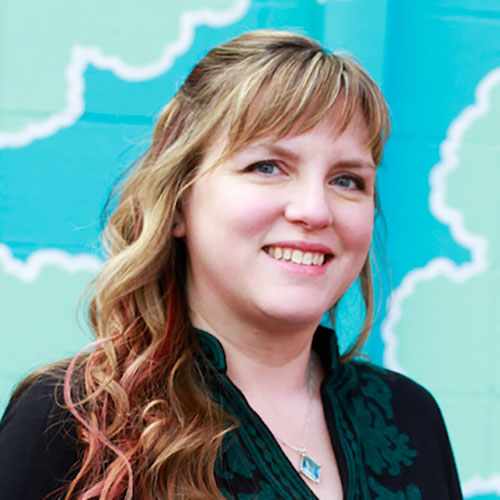 Katherine Livick was a middle school special education and humanities teacher for 15 years, then director of training for the country’s largest Apple Specialist retail chain, and now spends her time doing instructional coaching, curriculum development, consulting, and computer science support as the Instructional Technology Coordinator at ESD 112. She is a shameless amateur musician, plant dork, and Star Trek nerd.
 Sarah Logan is the Teacher-Librarian at Skyridge Middle School and a passionate advocate for strong school library programs. She was named the 2024 Washington Library Association School Library Division Elementary Teacher-Librarian of the Year, is a past WLA President, and received the 2025 American Association of School Librarians Toor Scholarship for Strong Public School Libraries. Sarah is active in the #K12Librarians4AllWA campaign and co-founded the Olympic Library Leadership Incubator, a leadership program for Washington teacher-librarians. She previously served at Dorothy Fox Elementary and Lynbrook High School and earned her MLIS from San Jose State University.
 Lacey Marsolek is a Battle Ground, WA native, attending Battle Ground High School and then continuing education at Western Culinary Institute and then Warner Pacific College earning certification as an Executive Chef and a Bachelors in Business Administration. Currently, she is the District Assessment Coordinator for Battle Ground Public Schools supporting 19 schools.
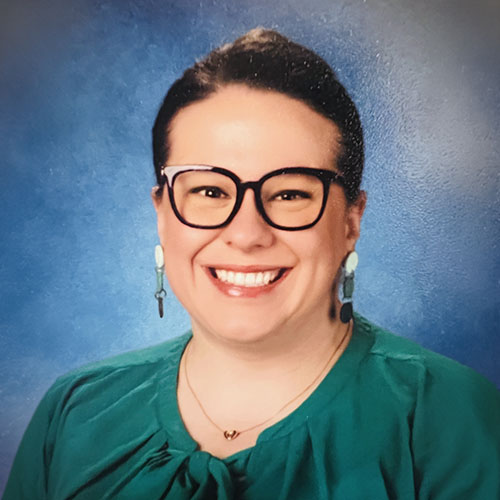 Jessica brings 15 years of elementary education experience, a Master’s in Educational Leadership, and National Board Certification to her role as Instructional Technology TOSA at Vancouver Public Schools, where she designs and delivers professional development focused on meaningful technology integration. As co-lead of the district PLC Guiding Coalition, she brings firsthand experience with collaborative inquiry and the real challenges teacher teams navigate. Jessica is deeply invested in empowering teacher teams to use AI tools that strengthen the PLC process. Her work bridges instructional coaching, edtech, and the belief that great collaboration is always the foundation of student success.
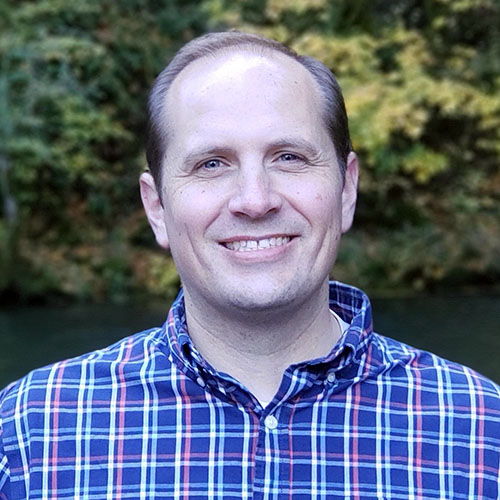 Tyler McKell is a math teacher at Skyview High School with over 20 years of experience in public education. Driven by a passion for innovation, he spent eight years as a Digital Learning Coach for Vancouver Public Schools where he helped educators integrate technology into their practice. Tyler holds a Master’s degree in Educational Technology and is dedicated to leveraging digital tools and AI to enhance student learning experiences while streamlining teacher workflows.
 Erin Mooers teaches Social Studies, Math, Science, and Business at Battle Ground Virtual Academy. This is a second career for him after 20 plus years in the financial world. He has spent the better part of the last five years working in an ALE environment that has its own special challenges when it comes to how to use technology properly.
 Trinh Pham is the Director of Education Technology at Puget Sound ESD. Trinh is an instructional and technology leader committed to building an equitable, future-ready learning environment through thoughtful leadership in areas such as AI, cybersecurity, and digital innovation.
 Steve has served as the Technology Director at Woodland School District for over 20 years, staying focused on what’s best for students and staff throughout the various major transitions. Now helping to usher AI into the district’s classrooms, Steve brings a pragmatic approach to the work, with an eye toward navigating both the incredible potential and the very real pitfalls of AI in education.
 Cassondra Smith is an educational technology coordinator in Battle Ground Public Schools with a background in art education and a passion for accessibility, creativity, and inclusive innovation. She supports K–12 educators in using technology and AI to reduce barriers, streamline workflows, and design learning experiences that help all students access grade-level content. Cassondra’s work centers on Universal Design for Learning, assistive technology, media and AI literacy, and future-ready skills. She believes AI can be a powerful tool when used thoughtfully to support teacher capacity, student agency, and inclusive classroom practices.
 Dr. Shannon Thissen is currently the Administrator, Digital Innovation at Capital Region ESD. Shannon is passionate about integrating technology and AI into all academic content, providing educator support for implementing computer science programs, and training and support for using Artificial Intelligence.
Mandie Thompson is a Student Success Coordinator and instructional coach in Washington State with experience supporting teachers and students across grades 5–8. She specializes in student-centered coaching, instructional design, restorative practices, and the thoughtful integration of AI and technology to support teaching and learning. Fueled by curiosity and a steady supply of tea, Mandie is passionate about helping educators streamline their work, strengthen student engagement, and create meaningful learning experiences that support both academic success and healthy school communities.
 Kristina Wambold began exploring AI as a passion project in 2021 and has since lived through every stage of AI adoption in education—from fear and skepticism to thoughtful, responsible use. She approaches AI through a human‑centered lens, grounded in the belief that we start with human intent and end with human judgment. Kristina is deeply committed to student data privacy, cybersecurity, and ethical AI design, helping educators move beyond hype to build AI systems that are trustworthy, transparent, and practical—without losing their human voice.
 Rich Watson is Co-Founder & CEO of schoolOS, an AI-native operational intelligence layer that helps K-12 districts do more with the systems they already have, no rip-and-replace required. For over a decade, Rich has dedicated his career to building education-focused businesses that put students and educators first. Most recently, as Chief Revenue Officer at Amira Learning, he helped bring AI-native literacy tools to more than 4 million students across 2,500+ districts. Earlier, he helped transform Securly into a leading student safety platform. Today, Rich is focused on helping schools do more with less, using AI to lift the operational burden on educators and district teams while keeping human connection at the center of learning.

Katherine Livick
Instructional Technology Coordinator / Rural CTE Cooperative Manager
Phone: 360-952-3395
Email: katherine.livick@esd112.org
Kristina Wambold
Integrated Educational Technology Coordinator
Phone: 360-952-3393
Email: kristina.wambold@esd112.org