
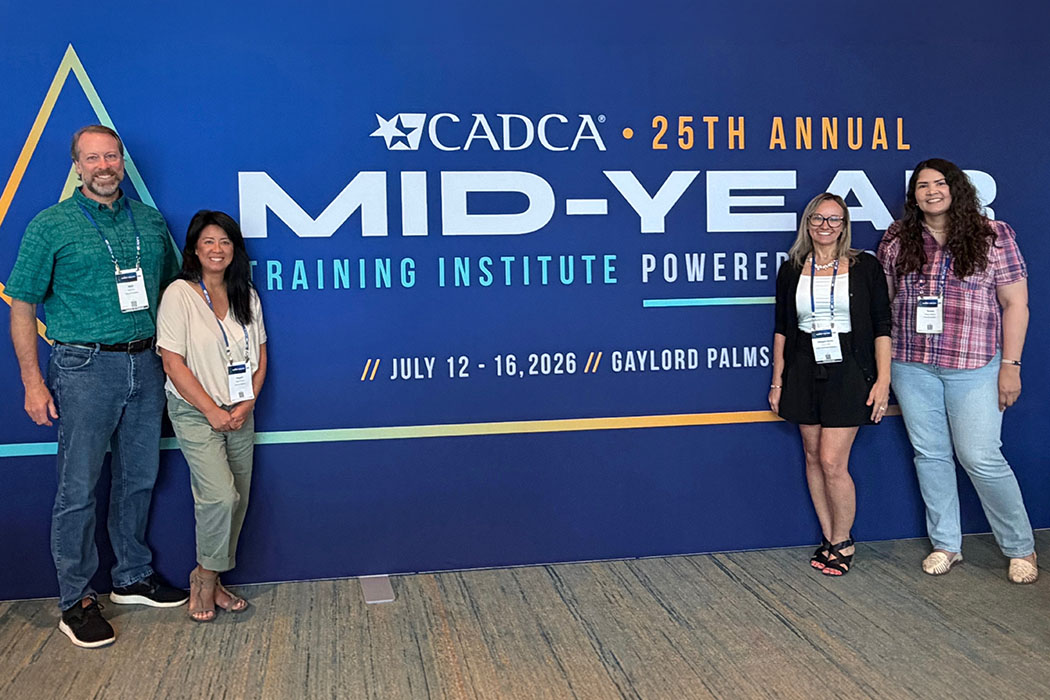
Educational Service District 112’s Prevent team joined prevention professionals from across the country at the Community Anti-Drug Coalitions of America (CADCA) 25th Annual Mid-Year Training Institute, held July 12-16 at the Gaylord Palms Resort and Convention Center in Kissimmee, Florida. The national conference brought together coalition leaders, educators, public health professionals, researchers, law enforcement, treatment providers, students and community partners to explore evidence-based strategies to prevent youth substance use and strengthen communities.
A standout moment for the Prevent team came when Abigail Wells, community prevention program coordinator at ESD 112, was selected to lead a 90-minute interactive workshop titled “Connection Is the Best Prevention: Strengthening Rural Relationships That Protect.” Her session focused on one of the most powerful protective factors in prevention science: meaningful human connection.

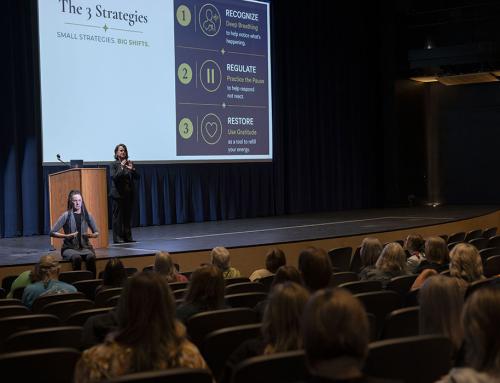
Abigail Wells’s presents in her workshop “Connection Is the Best Prevention: Strengthening Rural Relationships That Protect”
Designed for professionals serving rural communities, Wells’ workshop explored how intentional relationships can strengthen youth resilience, support positive youth development, and reduce the risk of substance use. Participants engaged in reflection, collaborative discussions, experiential learning, and action planning while examining practical ways to foster stronger connections with youth, coalition partners, and community members.
While rural communities are often viewed as naturally connected, Wells emphasized that geographic isolation, transportation barriers, limited resources and stigma can create hidden disconnections among young people. Her presentation encouraged attendees to build on rural communities’ unique strengths, including close-knit relationships, resilience and trusted local leaders, and to intentionally create environments where youth feel seen, supported and connected.
“Connection is the best prevention because, in rural communities, our greatest strength isn’t found in our programs—it’s found in our people and the meaningful relationships we build every day,” Wells said during her presentation.
“Those everyday moments of connection remind young people they matter and that they belong. Lasting prevention is built one intentional relationship, one conversation, and one moment of connection at a time.”
The workshop filled an important niche at the national conference by focusing specifically on the realities of rural prevention work.
“I really enjoyed presenting at the conference,” Wells said. “There are not always a lot of sessions specific to rural communities, so I wanted to help fill that gap and share strategies that can help prevention professionals connect more intentionally with youth while recognizing the unique strengths and challenges rural communities face.”
CADCA’s annual Mid-Year Training Institute strengthens prevention efforts nationwide through hands-on learning, expert-led training, coalition-building strategies, and networking opportunities. This year’s conference theme, Powered by Purpose, reflected the prevention field’s continued momentum and commitment to building healthier, safer communities.
In addition to sharing expertise, the Prevent team returned to Washington with new ideas and resources to support rural coalitions across the region. Wells plans to incorporate new tools and strategies into her work with rural communities and to share conference resources that can strengthen local prevention efforts.
“I hope to implement some of what I learned with the rural communities I support across Washington,” Wells said. “I also hope participants will take the materials and activities from my workshop back to their own communities and continue building stronger connections that help young people thrive.”
The presentation reflects ESD 112’s ongoing commitment to advancing research-based prevention practices while recognizing the unique needs and strengths of rural communities. By sharing innovative, relationship-centered approaches on a national stage, the Prevent team is helping to expand conversations about how meaningful connections can strengthen youth, families, and communities alike.
About Prevent Coalition
Prevent Coalition, formed in 2003, is a community-based initiative serving Clark, Klickitat and Skamania counties, as well as rural communities throughout Washington. Supported by ESD 112 and local partners, Prevent Coalition works to create a culture of healthy choices and open doors for young people to lead and succeed.
About the Rural Network
The Rural Network is a group of volunteers and leaders across Washington building resiliency and safeguarding youth. Made up of parents, youth, school staff, business owners, medical professionals, law enforcement, government workers, and faith-based organizations, they come together around the cause of substance misuse prevention in rural Washington.
The Rural Network is an initiative of Prevent, funded by the Commercial Cannabis & Tobacco Prevention Program (YCCTPP) of the Washington State Department of Health. Huge support comes from the fiscal agent, Educational Service District 112 (ESD 112).

 ESD 112 equalizes educational opportunities for learning communities through innovative partnerships, responsive leadership, and exceptional programs.