
Improving instruction and increasing student achievement.
Our Services
Regional Science Services
Regional Science Coordinators at each ESD are part of a statewide system developed to improve instruction and increase student achievement in science. This program has been funded by the Washington State Legislature since 2008.
You can learn more about each area of service by clicking on a link below:
- Next Generation Science Standards (NGSS)
- Science Leadership Network
- State Science Fellows: More information coming soon.
NGSS
Next Generation Science Standards (NGSS)
In November of 2013, Washington adopted the Next Generation Science Standards (NGSS) as their Science standards. The NGSS are now called the Washington State Science Learning Standards (WSSLS).
The development of the Next Generation Science Standards began in 2010. The National Research Council, the National Science Teachers Association and the American Association for the Advancement of Science collaborated on the Framework for K-12 Science Standards. Published in July 2011, the framework is divided into three parts:
- Practices: Describe how scientists build theories and models about the way our world, and systems within it, works.
- Crosscutting concepts: Concepts that apply to all four science domains.
- Disciplinary core ideas: the foundational ideas needed for every student to be able to begin his or her own inquiries and practices.
Using the framework, Achieve Inc. managed the process of creating the new standards. A total of 26 lead states, including Washington, collaborated on the writing. Drafts were sent out for public comments on two occasions. The final version of the standards was released April 9, 2013.
NGSS Resources
OSPI Science K–12 Learning Standards
Next Generation Science Standards
Science Leadership Network
Science Leadership Network
The mission of the Science Liaison Teacher program is to enhance science knowledge and practice in every building across the ESD112 region. Their goal is to significantly impact science teaching and learning, and ultimately increase student achievement in science.
General Responsibility:
To liaise with the Regional Science Coordinator and support on-going professional learning for all teachers who teach science in their building.
Goals and Requirements:
- Provide input to the LASER Alliance leadership on the implementation of the science kits in their district.
- Provide information in regards to the professional development needs of teachers in their district.
- Act as a conduit to share science related information from the ESD with the teachers in their building.
- Serve as a science advocate within their building and district.
- Assist district leadership in planning and implementing their district science plan.
- Serve as a science teacher leader within the Alliance, attending SLT professional development, and then coordinating these professional development offerings within their district. (e.g. NGSS updates and transition plan, formative assessment, advanced science notebook strategies, etc.)
Science Liaison Teachers must be recommended and endorsed by their building principal. If you are interested in learning more about the program, please contact Vickei Hrdina, Regional Science Coordinator.
Program Contacts
Who to Contact
Upcoming Classes & Events
Get Social with Us


Featured Programs


Student & School Success News

Safely Dispose of Unused Medications at Oct. 24 Drug Take-Back Events
Community substance misuse prevention coalitions, law enforcement agencies, and community partners across Southwest Washington will host free drive-thru drug take-back events on Saturday, Oct. 24, 2026, from 10 a.m. to 2 p.m. Residents of Clark, [...]
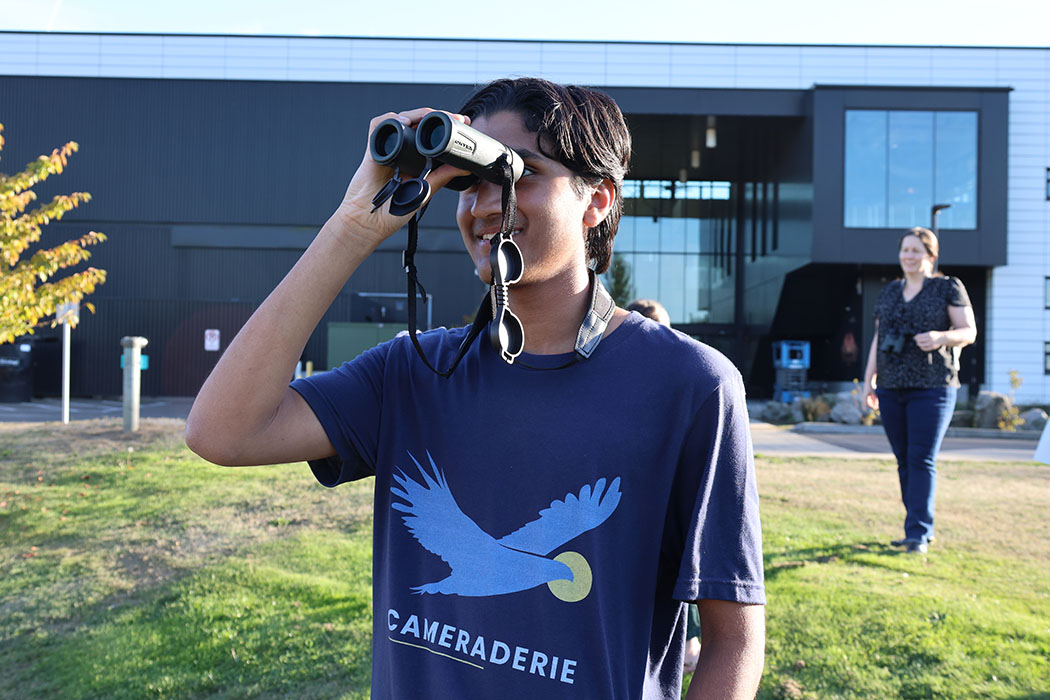
Camas student brings birding lessons to local classrooms
Shaunak Deshpande, a Camas High School junior, is helping local educators turn outdoor school grounds into science classrooms. On Oct. 8, Deshpande and Ken Pitts, youth supervisor for Vancouver Audubon, led a hands-on workshop called [...]

Rural Prevention Conference brings Washington communities together to support youth
At the Small Towns, Big Impact: 2026 Rural Prevention Conference in Wenatchee, Washington, more than 100 participants from rural communities across the state gathered to learn how to engage youth in substance misuse prevention, strengthen [...]
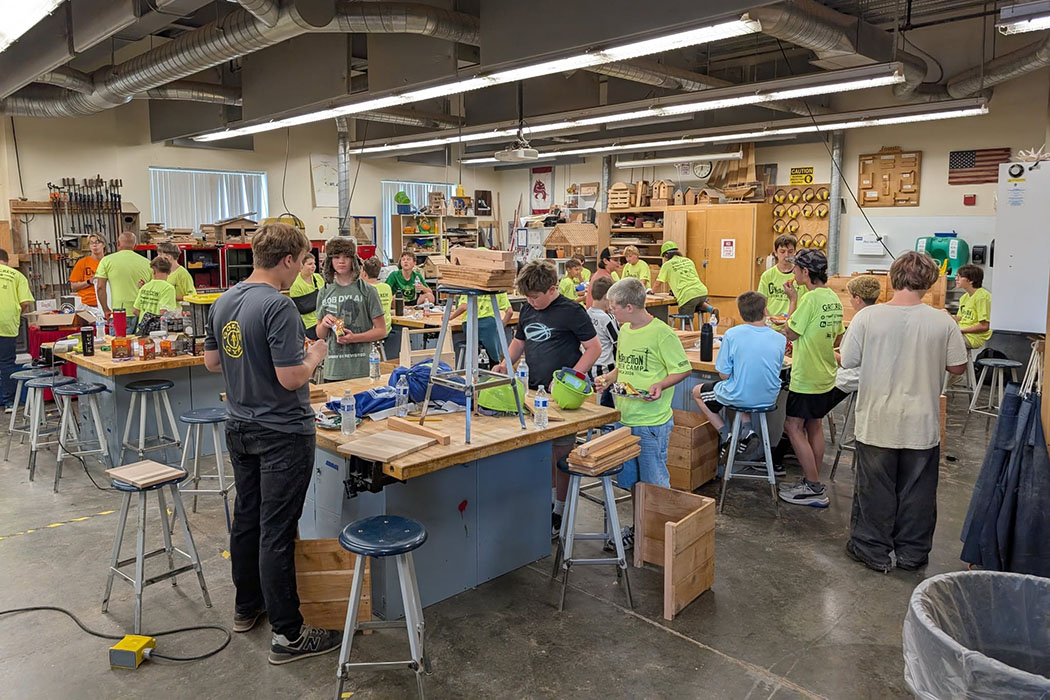
Construction summer camps teach real world skills at Clark County schools
Elementary and middle school students in La Center School District, Hockinson School District, Washougal School District, and Ridgefield School District rolled up their sleeves to explore careers in the construction trades through hands-on Construction Trades [...]
 ESD 112 equalizes educational opportunities for learning communities through innovative partnerships, responsive leadership, and exceptional programs.